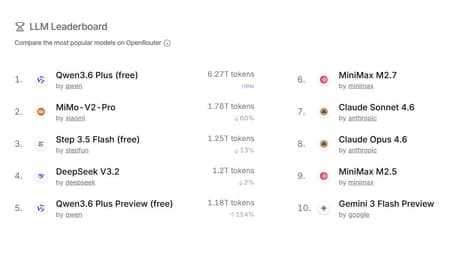
Anthropic dropped some serious claims last month, saying DeepSeek, Moonshot AI, and MiniMax ran huge operations to "distill" capabilities from Claude using about 24,000 fake accounts and over 16 million chats. Distillation basically means feeding a weaker model's training data with outputs from a stronger one like Claude to boost your own AI quick and cheap. DeepSeek alone hit Claude over 150,000 times, zeroing in on reasoning tricks, grading tasks, and even safe replies to touchy political questions on stuff like dissidents or authoritarianism. Anthropic ties this to broken terms of service and blocked access in China, plus national security worries since distilled models might skip safety checks baked into Claude against bioweapons or cyber mischief.
They paint it as industrial-scale theft that undercuts US export controls on AI chips, letting Chinese labs catch up without the full R&D grind. DeepSeek got about 150k exchanges, Moonshot over 3.4 million focused on coding and tools, and MiniMax the biggest at 13 million targeting agentic coding. But here's the twist: Anthropic's not spotless. They've faced lawsuits from authors over scanning millions of books, including pirated ones from sites like Library Genesis, to train Claude. A big settlement hit $1.5 billion with writers claiming copyright grabs, and docs show they bought bulk books, scanned them, then trashed originals. Elon Musk even fired back online, accusing Anthropic of data theft too based on community notes about their past deals.
It's like a game of "thief robbing thief" in AI land, where everyone's scraping web data or outputs at scale. Anthropic might be pointing fingers partly to protect their edge as competition heats up and US-China AI tensions rise. DeepSeek pushes back by saying their models like R1 and upcoming V4 come from public web and ebooks only, matching frontier performance cheaper. No lawsuits filed yet from Anthropic, just public shaming and calls for industry teamwork on defenses like better detection and chip curbs. OpenAI echoed similar gripes about DeepSeek in letters to lawmakers. Bottom line, distillation's legit when you do it to yourself, shady when rivals do it to you, but the whole field's built on massive data hauls that blur lines on what's fair game.