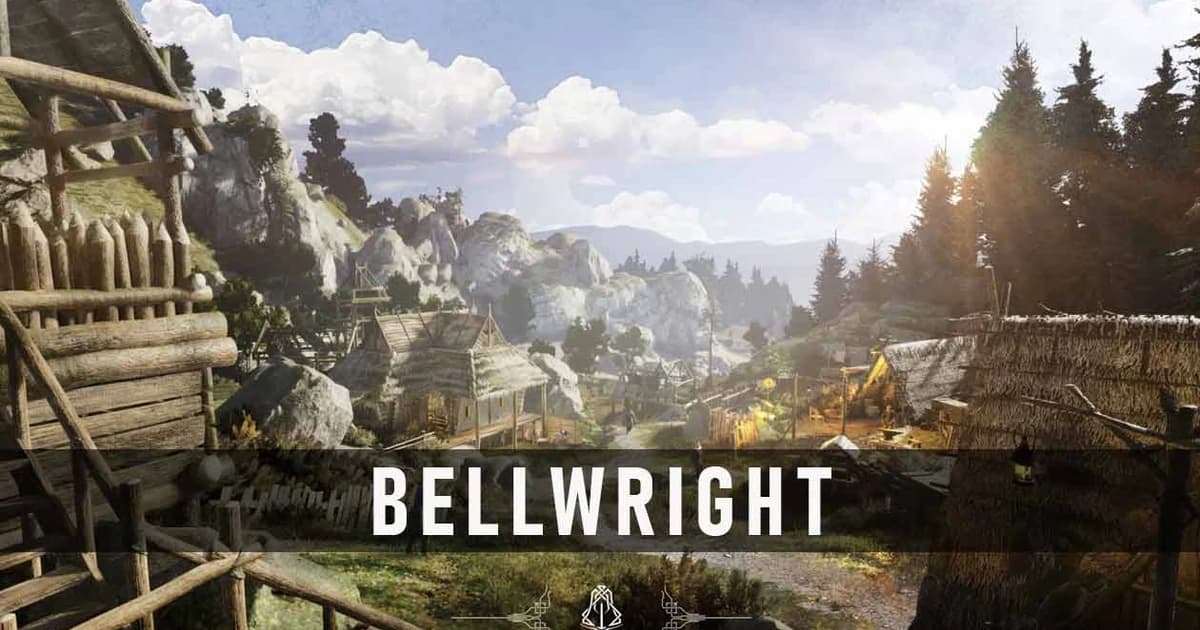
Bellwright is a medieval co‑op survival and town‑building RPG where you play a fugitive noble trying to clear his name by sparking a rebellion against a corrupt crown in the land of Karvenia. Developed by Wroclaw‑based studio Donkey Crew and published by Snail, it launched in Steam Early Access in April 2024 and has since built a stable community with Mostly Positive reviews on Steam and hundreds of thousands of copies sold. What makes it stand out among co‑op games is how tightly it mixes third‑person combat with village management and logistics: you are not just swinging a sword, you also design settlements, assign villagers to jobs, and turn a loose band of refugees into an organized rebellion. Co‑op lets friends drop into the same world to help with building, fighting or escorting caravans, which gives it more of a shared campaign feel than a quick session‑based co‑op run.
In terms of feel, Bellwright sits somewhere between survival sandboxes and management sims: you gather resources and craft gear, but at the same time you care about villager happiness, production chains and defending multiple outposts. Reviews often praise the core loop of liberating villages, slowly pushing the crown’s forces back, and seeing your network of settlements grow, while also pointing out that Early Access still comes with bugs, balance tweaks and missing polish in areas like AI and performance. Community sentiment is generally optimistic, especially compared with the developer’s previous Early Access project, with many players noting solid updates and an active roadmap as reasons they stick with the game.
Recent patches in January 2026 focused less on new content and more on stability: hotfixes addressed crashes when loading modded saves, disappearing items, issues with construction jobs, and performance drops when opening late‑game settlement menus, which is important for players running large, complex towns. This focus on fixing co‑op and late‑game performance suggests the team is trying to shore up the simulation side so that big rebellions and multi‑settlement play remain playable as the game grows.