China’s Moonshot AI has released Kimi K2.5, an open source, natively multimodal model that can handle text, images, and video in a single system and is tuned heavily for coding and agentic workflows. Trained on around 15 trillion mixed tokens, it performs at or near the level of top proprietary models in many benchmarks, and even pulls ahead in areas like coding (SWE-Bench variants) and video understanding (VideoMMMU), while also powering an agent-swarm setup where many assistants collaborate on one task. Moonshot is packaging these capabilities into Kimi Code, a coding assistant that plugs into terminals and IDEs such as VS Code, Cursor, and Zed, with support for image and video inputs so developers can directly ask for interfaces based on visual designs.
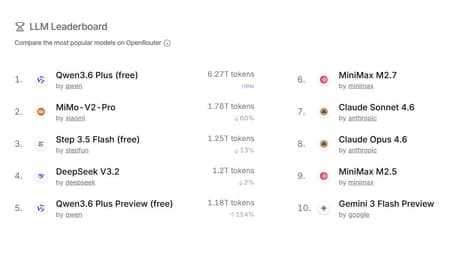
More broadly, Chinese AI labs like Moonshot, DeepSeek, Alibaba’s Qwen team, Baidu, Zhipu, MiniMax, and others are rolling out new models faster and often cheaper than many US rivals, sometimes open sourcing them to gain global developer mindshare, especially in emerging markets. Their strategy mixes aggressive benchmark chasing, integration with existing consumer ecosystems (for example Alibaba tying Qwen into Taobao and payments), and large promotional campaigns that drive real usage, not just headline scores. Analysts say the performance gap with US models is now down to “months,” and the combination of strong local funding, lower-cost access, and open tooling is why Chinese firms are increasingly competitive in the AI race rather than clearly behind.