StarRupture is a sci fi factory co-op survival game from Polish studio Creepy Jar, best known for Green Hell, that has quickly turned into one of the first real Steam hits of 2026. The title launched in Early Access and almost immediately climbed into the global top sellers on Steam, at one point sitting fifth by revenue behind long running giants like Counter Strike 2, PUBG and Where Winds Meet. At peak it drew over 42 thousand concurrent players on Valve’s platform, which is a strong result for an indie production still in development. What sets StarRupture apart is a mix of Satisfactory style automation and base building wrapped in a harsh alien environment, where players expand industrial outposts while managing resources and dealing with environmental threats.
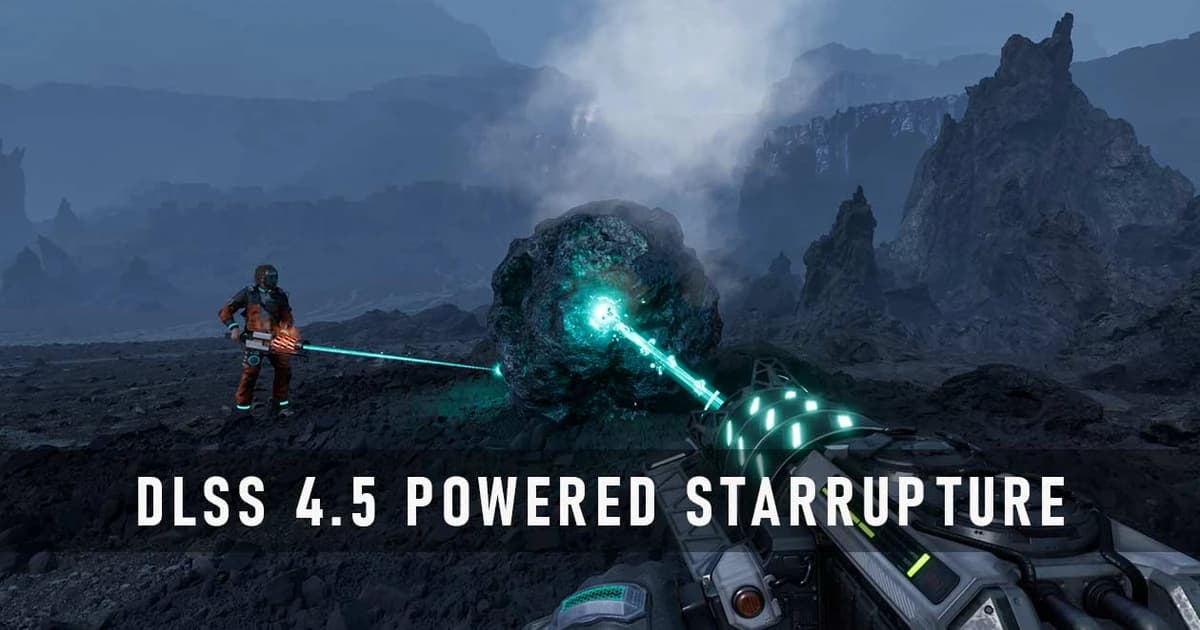
Visually, the game stands out through detailed sci fi infrastructure, dense atmospheric effects and dramatic lighting that scales well across different hardware setups. This visual package helped StarRupture land on Nvidia’s radar, and the company has now added it to its group of showcase titles used to highlight the benefits of RTX graphics cards. Nvidia confirmed that StarRupture is receiving official support for DLSS 4.5 upscaling, along with new ray tracing effects, which positions the game as a kind of visual calling card for modern rendering features. Even before the dedicated update rolls out, players can already enable DLSS 4.5 through the Nvidia App by selecting the game and choosing between the M model for Performance or the L model for Ultra Performance.
On the business side, Creepy Jar has followed a relatively consumer friendly strategy. The studio priced the Early Access version at 51.99 PLN during its launch window, which is noticeably lower than what many big publishers ask for new PC releases and has been pointed to as one of the reasons behind its fast sales momentum. The developers have already shipped the first hotfix aimed at improving text readability, and they outlined a roadmap that includes multiple updates, with a March patch set to add new content such as a cable car style line system for faster movement across the map. Early Steam user scores sit around 80 percent positive, suggesting a generally solid reception with room for improvement as systems are balanced and features added.
StarRupture’s trajectory so far shows how a focused indie project can punch above its weight by combining strong art direction, technical partnerships and a reasonable price point. The collaboration with Nvidia around DLSS 4.5 and ray tracing should keep the game visible among hardware enthusiasts, while the Early Access model gives Creepy Jar space to respond to feedback and expand on the core loop. Long term, its success may reinforce a trend where mid sized studios lean into lower pricing and transparent development roadmaps to compete with large publishers, particularly on PC where visibility on the Steam charts can quickly translate into a lasting player base.