Lisuan’s Extreme LX 7G106 is one of the first visibly mainstream focused gaming GPUs designed and manufactured in China and it clearly targets the mid range market instead of chasing absolute high end performance. The chip is based on the company’s in house TrueGPU architecture built on a 6 nm process, paired with 12 GB of GDDR6 on a 192 bit bus, 192 texture units, 96 ROPs and a board power of around 225 W. That puts it roughly in the same class, on paper, as current mid tier cards from Nvidia and AMD, at least in terms of memory capacity, compute units and power envelope, even if direct one to one comparisons are still impossible because the architecture is completely different.
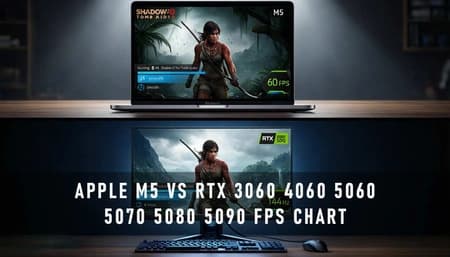
In gaming, Lisuan openly name drops very demanding titles such as Cyberpunk 2077, Black Myth: Wukong, Resident Evil 4 Remake, Baldur’s Gate 3 and the Horizon games, promising “playable” performance at modern settings. Independent frame rate numbers for the final LX 7G106 board are not yet available, but earlier G100 based samples in OpenCL workloads managed to land roughly around RTX 4060 to Arc A770 level in compute heavy tests, which suggests a realistic goal of solid 1080p and possibly 1440p performance if drivers are well optimised. On the feature side the card supports DirectX 12, Vulkan 1.3, OpenGL 4.6 and OpenCL 3.0, plus hardware video encode and decode up to 8K, and it is compatible with both Windows and several Linux distributions, even including Windows on Arm which is something the big three GPU vendors do not offer right now.
Pricing looks positioned to undercut established brands. Early listings and reporting in China point to an initial price in the rough range of an RTX 4060 or slightly lower, with availability first through local platforms like JD.com from mid June, and vague plans to enter global markets later if demand and export conditions allow. For PC builders in the West this card is more a sign of what is coming than an immediate upgrade recommendation, but for the Chinese market it is an important move toward GPU independence with a product that does not rely on foreign IP and can already run the same big name games people care about.